
Silicone has become one of the most widely used materials in modern manufacturing, and the demand for high-quality silicone products has increased significantly. To meet this demand, factories and manufacturers rely on silicone production line equipment designed to streamline production processes, improve efficiency, and ensure consistent product quality. For anyone considering investing in such equipment, understanding the different types of machines and processes involved in a silicone production line is crucial.
At the heart of any silicone production line is the mixing process. Silicone rubber must be thoroughly mixed with additives, pigments, and other compounds to achieve the desired properties. Silicone mixers are specifically designed to ensure uniform mixing and prevent inconsistencies that could affect the final product. These machines typically use twin-roll mills or kneaders to achieve a perfect balance of components, which is essential for both industrial and consumer applications. (silicone machines)
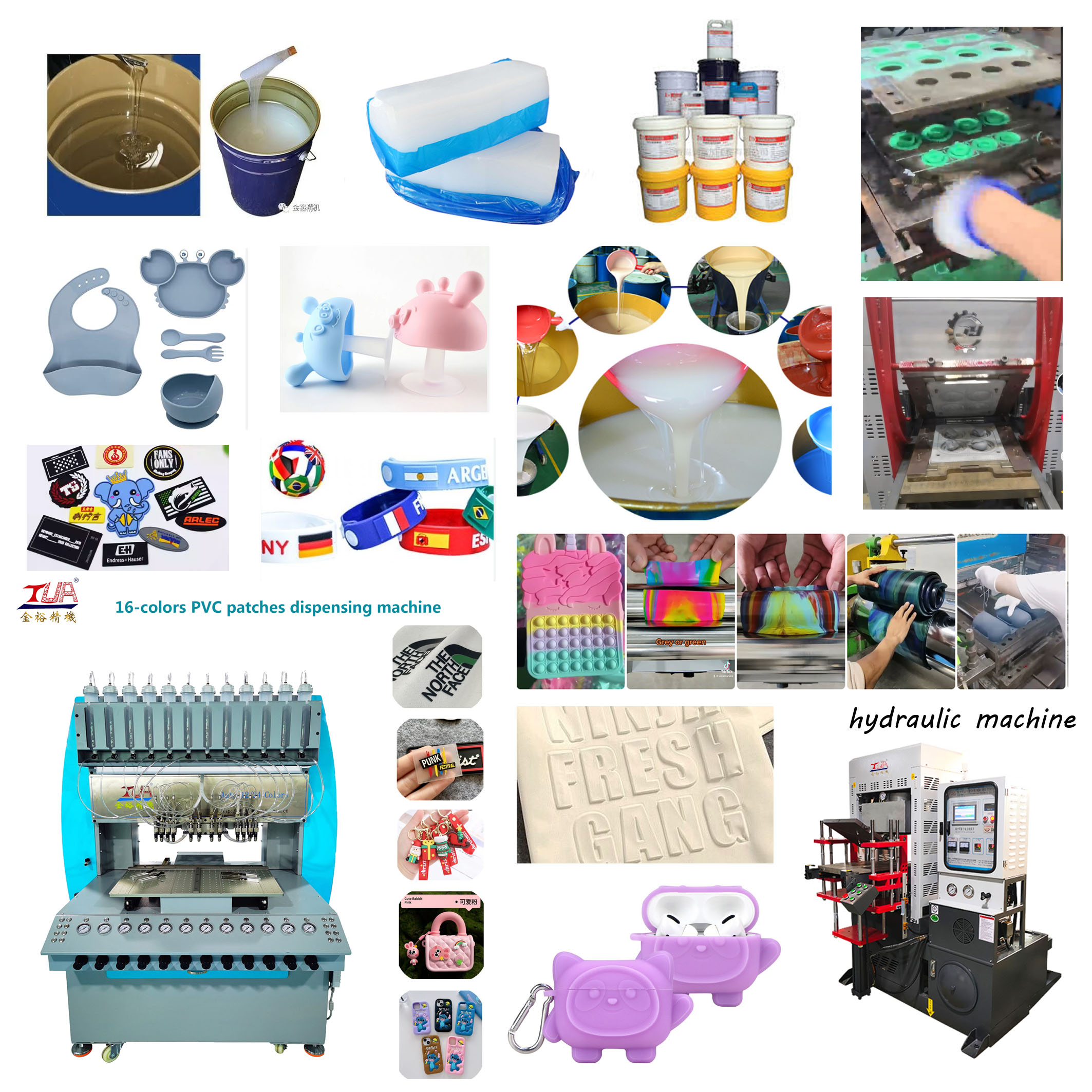
After mixing, the material typically proceeds to the extrusion process. Extruders are a vital component of a silicone production line, shaping silicone into tubes, sheets, or custom profiles. These machines work by extruding the mixed silicone through a die, producing precise and consistent-shaped products. The extrusion process may also be equipped with a cooling system to ensure the silicone retains its shape immediately after molding.
Besides mixing and extrusion, liquid silicone dispensing molding process has become one of the most popular core technologies in the market, especially suitable for the production of consumer products such as children's toys, trendy dolls, watch straps, children's cup lids, and children's cup sleeves. The equipment configuration for this process is specifically targeted: liquid silicone, curing agent, and thinner must first be mixed in precise proportions using specialized mixing equipment, while a vacuum system is activated to remove air bubbles from the mixture, preventing porosity defects in the finished product; then, the treated liquid silicone is precisely injected into a mold using a high-precision dispensing machine, and cured under controlled temperature to form the molded product. The entire process emphasizes precise mixing ratios and air bubble control to meet the safety and texture requirements of children's products.
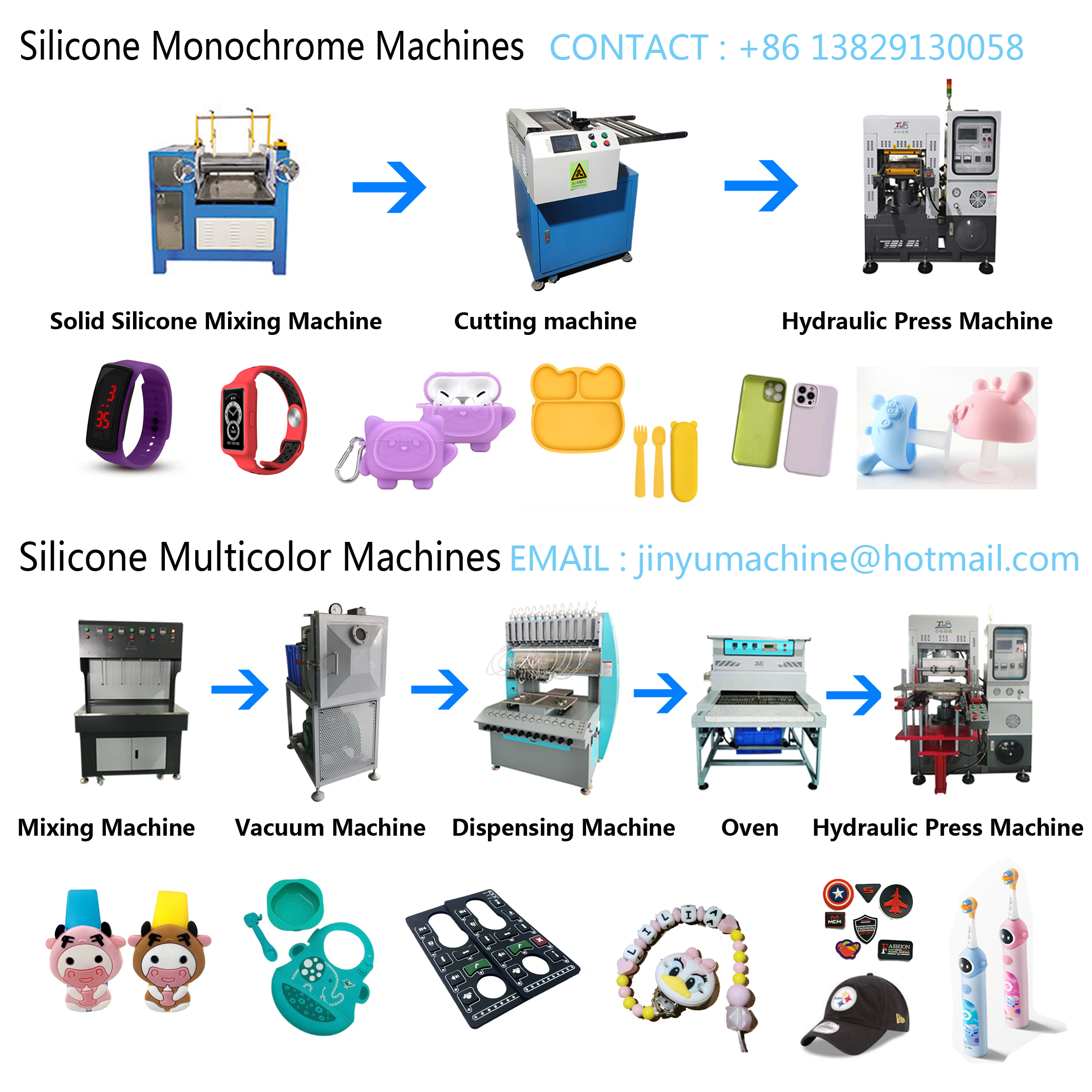
Furthermore, the drop molding process or drip molding processs combining liquid and solid silicone further expands the design boundaries of products, becoming a core method for realizing multi-colored and colorful cartoon products (such as children's cartoon animal figurines and layered textured dolls). The process integrates the processing characteristics of two types of materials: solid silicone requires thorough mixing in a mixing mill, precise cutting in a cutting machine, and initial vulcanization and shaping; liquid silicone follows the same dispensing process, undergoing batching, vacuuming, and dispensing. Through layered mold design and sequential dispensing, the two materials bond tightly during curing, preserving the structural strength of solid silicone while utilizing the delicate texture and color expressiveness of liquid silicone to create products with rich layers and vivid shapes. Solid silicone production continues the traditional process of mixing, cutting, and vulcanization, ensuring product durability and structural stability.
Furthermore, compression molding machines or injection molding machines commonly used in traditional production lines remain suitable for producing complex silicone structural parts, such as gaskets, seals, and custom industrial parts. Injection molding machines are particularly renowned for their speed and precision, enabling manufacturers to produce large quantities without sacrificing quality. For some specialized applications, some production lines are equipped with automatic demolding systems, reducing labor costs and minimizing the risk of finished product damage. it also can called hydrualic press, or forming machine.
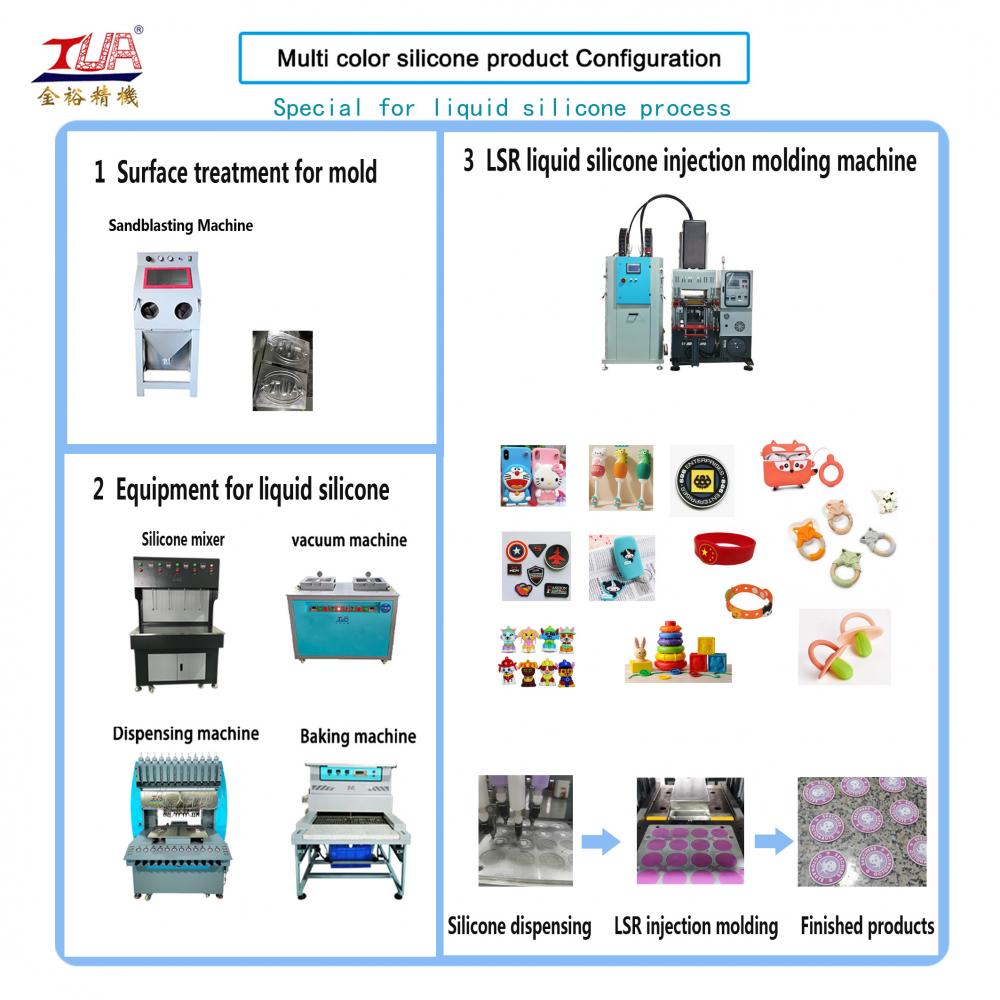
Another crucial piece of equipment in silicone production lines is the vulcanizing machine (curing equipment) or hydraulic machine. Whether it's the vulcanization of solid silicone or the curing of liquid silicone, a controlled temperature and pressure environment is required to ensure the product achieves its final elasticity, strength, and heat resistance. Depending on the production scale and product requirements, vulcanizing machines (curing equipment) can be selected from intermittent ovens, continuous vulcanization production lines, or dedicated liquid silicone curing furnaces to ensure that every silicone product meets the required specifications.
Simultaneously, supporting equipment such as conveyors, cutting machines, and high-precision quality inspection systems are also indispensable parts of a complete silicone production line. Especially for the production of children's products, the inspection system must focus on material safety, structural integrity, and appearance defect detection to ensure that the product meets relevant safety certification standards; while automated conveyors and cutting machines help achieve efficient workflow integration, reduce manual operation, and improve production consistency.

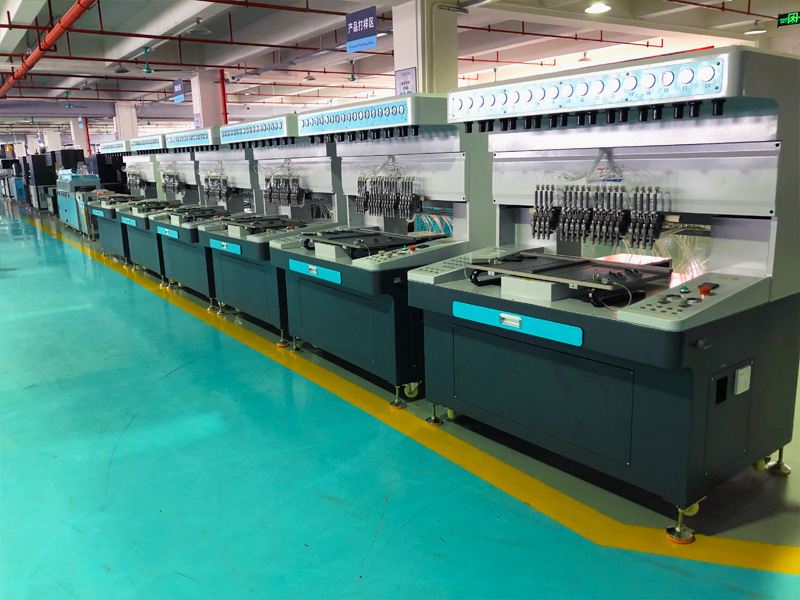

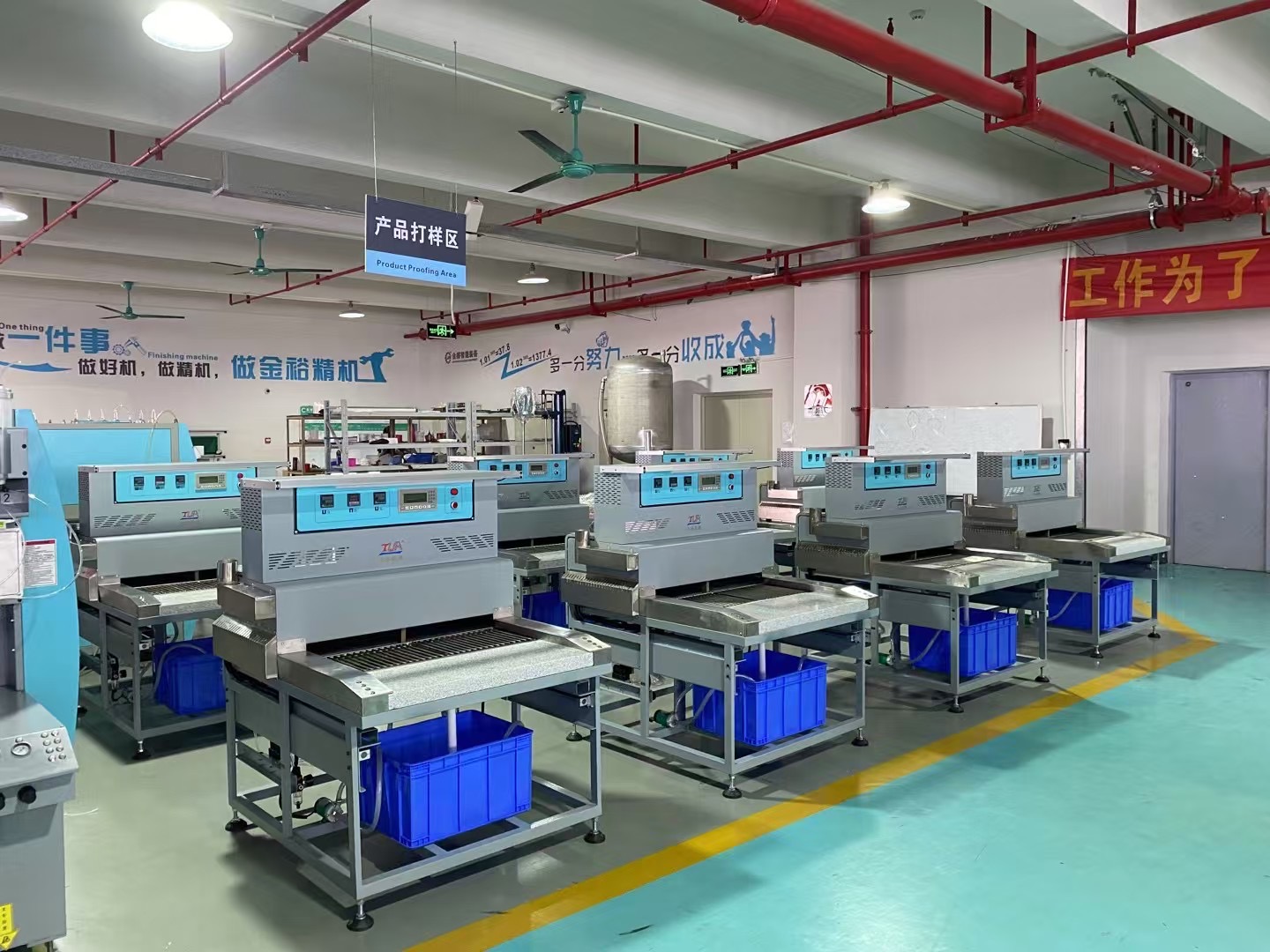


Investing in a suitable silicone production line equipment combination requires precise matching of process requirements based on the target product type: focusing on liquid silicone dispensing products requires emphasis on the precision of stirring, vacuuming, dispensing, and curing equipment; processes involving solid-liquid bonding require consideration of the compatibility of rubber mixing, cutting equipment, and dispensing systems; for mass production of standardized products, injection molding and continuous vulcanization equipment can be prioritized. Choosing compatible, scalable, and energy-efficient equipment will help companies maintain competitiveness in popular market segments such as children's products and trendy accessories. Through proper production line configuration, manufacturers can meet diverse market demands while maintaining high-efficiency and high-quality production standards.
In summary, silicone production line equipment and processes have formed a diversified system, with core components including mixers, extruders, molding machines, curing equipment, specialized dispensing equipment, and supporting systems, corresponding to various process paths such as solid silicone, liquid silicone, and solid-liquid bonding. Each piece of equipment and process plays a crucial role in producing high-quality silicone products. Understanding the compatibility of these equipment types and processes is essential for making informed investment decisions in the silicone manufacturing industry, especially in popular sectors like children's products and trendy accessories. Correctly selecting and integrating these equipment and processes ensures efficient and reliable production processes, enabling flexible responses to ever-changing market demands.


