
In the textile industry, versatility is key, and one common question among manufacturers is whether a single embossing machine for clothes can handle multiple fabric types such as silk, velvet, and cotton. The answer depends on the machine’s design, features, and adaptability, as different fabrics require different embossing conditions.
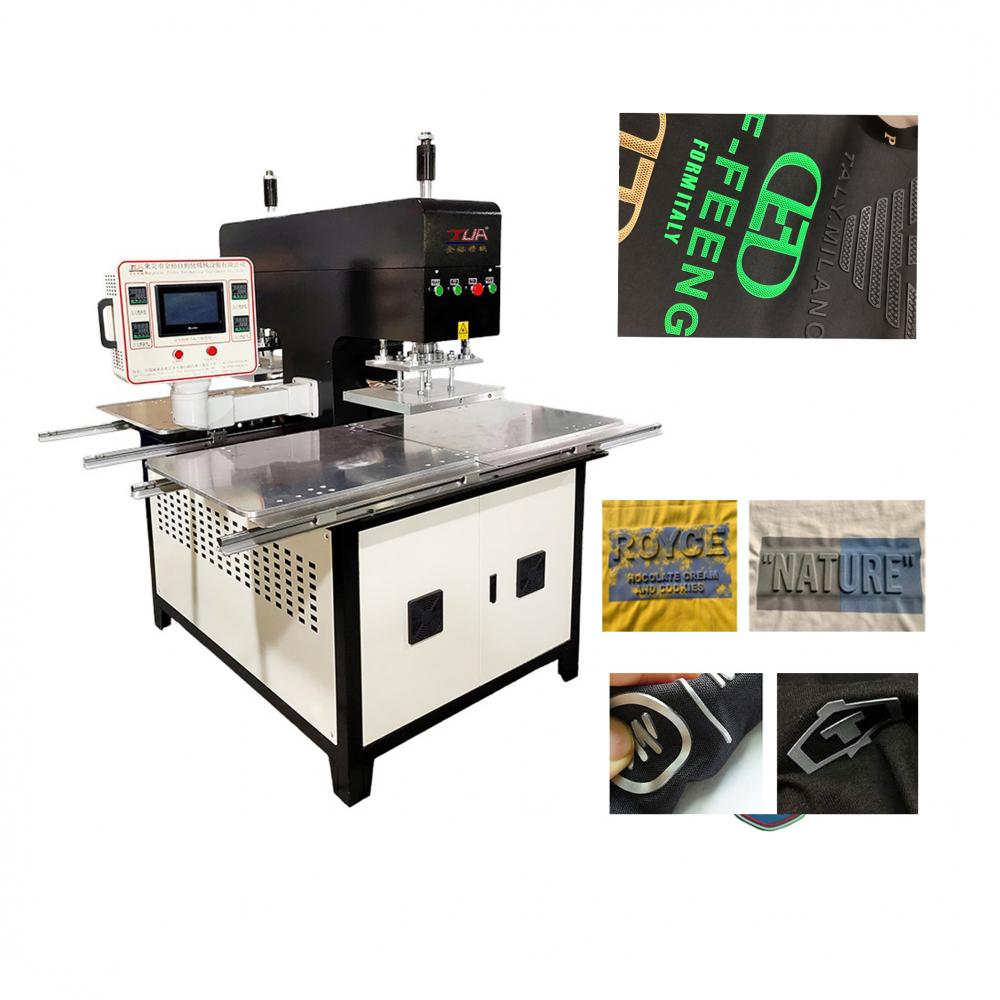
Silk, being delicate and lightweight, requires precise control of pressure and temperature to avoid damage. Velvet, with its soft and plush surface, must be embossed carefully to maintain its luxurious texture. Cotton, while more robust, still benefits from machines that allow precise adjustments to ensure crisp and durable patterns. Choosing a high-quality embossing machine for clothes that can handle all these fabrics ensures that manufacturers can produce a diverse range of products without investing in multiple specialized machines.
The key to multi-fabric capability lies in adjustable settings. Advanced embossing machines for clothes allow operators to control roller pressure, temperature, and processing speed. This flexibility enables consistent embossing across delicate silk, textured velvet, and sturdy cotton fabrics. For high-end fashion and home textiles, maintaining pattern precision and fabric integrity is essential, and a versatile machine can achieve both.
Production efficiency is another important factor. Modern embossing machines for clothes are designed to minimize errors and reduce fabric waste by allowing quick adjustments between fabric types. This capability is particularly useful for manufacturers handling small batch orders with multiple materials, ensuring that each product meets quality standards without slowing down overall production.
Maintenance is also crucial for machines that handle various fabrics. Regular cleaning of rollers, calibration of settings, and timely servicing prevent defects and prolong the machine’s lifespan. Many advanced embossing machines for clothes come with user manuals and technical support to guide operators in optimizing performance for different fabric types.
In summary, a well-designed embossing machine for clothes can effectively handle silk, velvet, and cotton, provided it has adjustable settings and is maintained properly. Investing in such a versatile machine allows textile manufacturers to meet diverse customer demands, create high-quality embossed fabrics, and remain competitive in both fashion and home textile markets.


