
"A person thrives when they move, a tree dies when it's transplanted" | Stepping outside of established experience is key to understanding the true overseas market. -----by silicone machine manufacturer Jinyu machinery TUA


The old saying goes, "A person thrives when they move, a tree dies when it's transplanted." This is especially true for manufacturing companies, particularly those with a focus on overseas markets. Many manufacturing owners are accustomed to staying in their factories, relying on online messages and video communication to connect with clients, believing that blueprints and specifications are sufficient for successful business. Our technical team at Jinyu Machinery recently traveled to India to visit a partner factory that purchased our client's silicone automation equipment. This experience reinforced my belief that working in isolation is unsustainable; only by being on the front lines can we truly grasp the pulse of the market. Online communication always carries a sense of distance. While WeChat chats and video calls can confirm equipment specifications, prices, and delivery dates, they rarely fully capture the client's actual production environment. Through a screen, we can hardly intuitively perceive the production challenges posed by local climate, raw material differences, and workshop conditions. Many process details and equipment compatibility issues can easily lead to misunderstandings based solely on the client's written descriptions. Only after the equipment is in production do we discover numerous adjustments needed, delaying the client's production capacity and increasing communication costs for both parties.
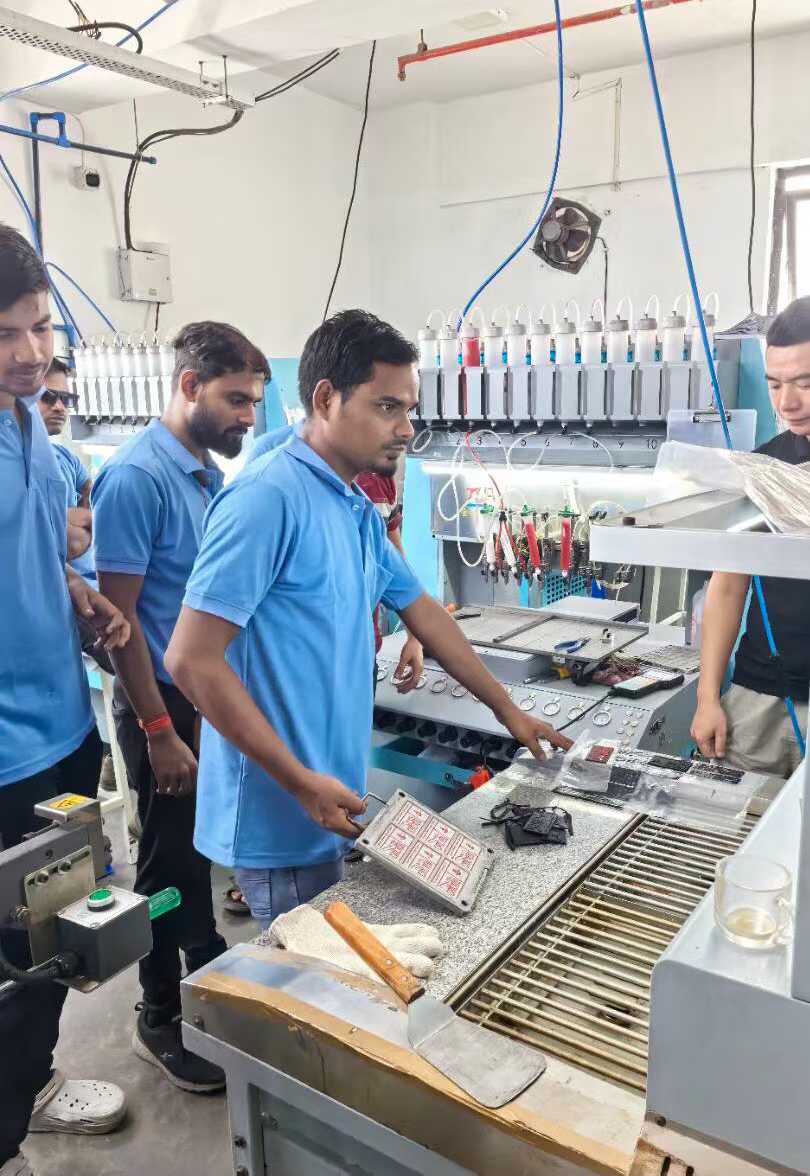
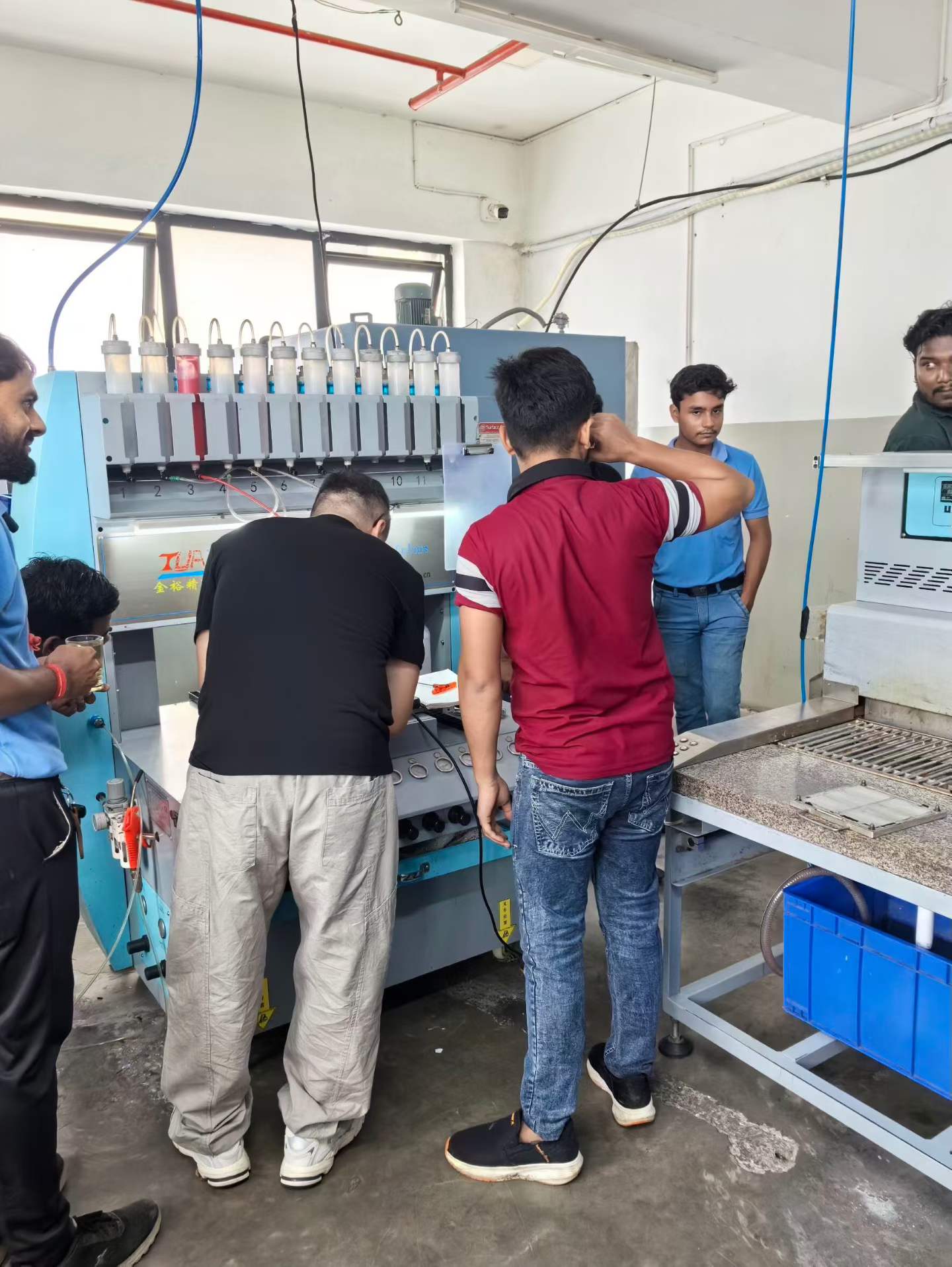
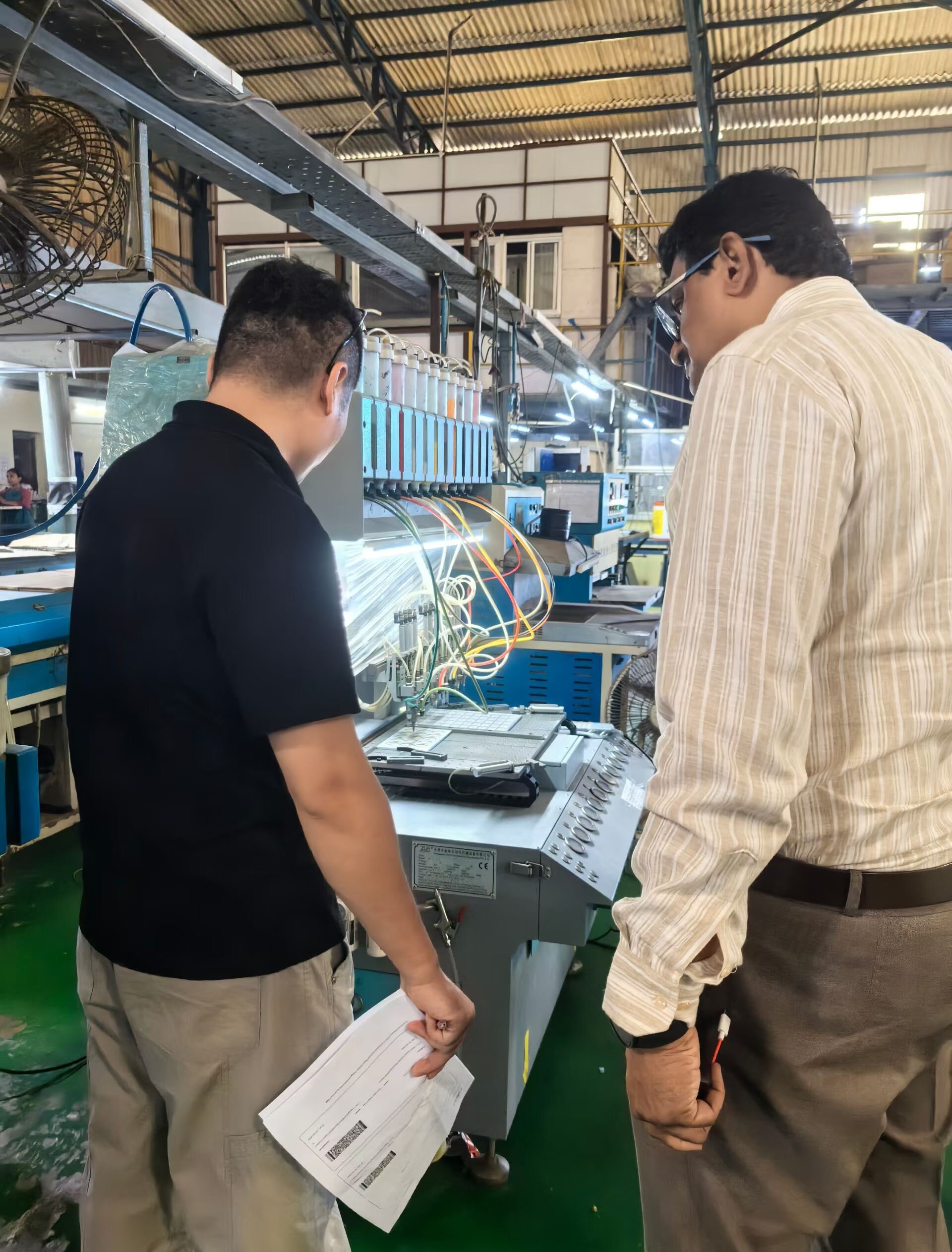
During this trip to India, we visited our Indian customer's factory production workshop and witnessed firsthand the continuous, 24/7 operation of our Jinyu Machinery silicone equipment. We engaged in face-to-face discussions with production managers and frontline operators, gaining a wealth of information that is difficult to capture online. The characteristics of local raw materials differ from those in China, the workshops operate under consistently high temperatures, and downstream finished products have different quality standards – these are unique realities of overseas markets. (Silicone dispensing machine, Silicone hydraulic machine, Liquid silicone injection molding machine, Solid silicone vulcanizing machine, etc. )
On-site, we gathered a wealth of firsthand feedback: which structural aspects of the silicone equipment could be optimized to better adapt to local conditions; which process parameters needed adjustment to help customers improve production yield and capacity; and which supporting designs could simplify operation and reduce the learning curve for workers. These suggestions from the forefront of the production line are invaluable. Upon returning home, our R&D team will incorporate the insights from this trip to specifically adjust equipment configurations and refine models more suited to the Southeast Asian market, ensuring the equipment performs better when exported.
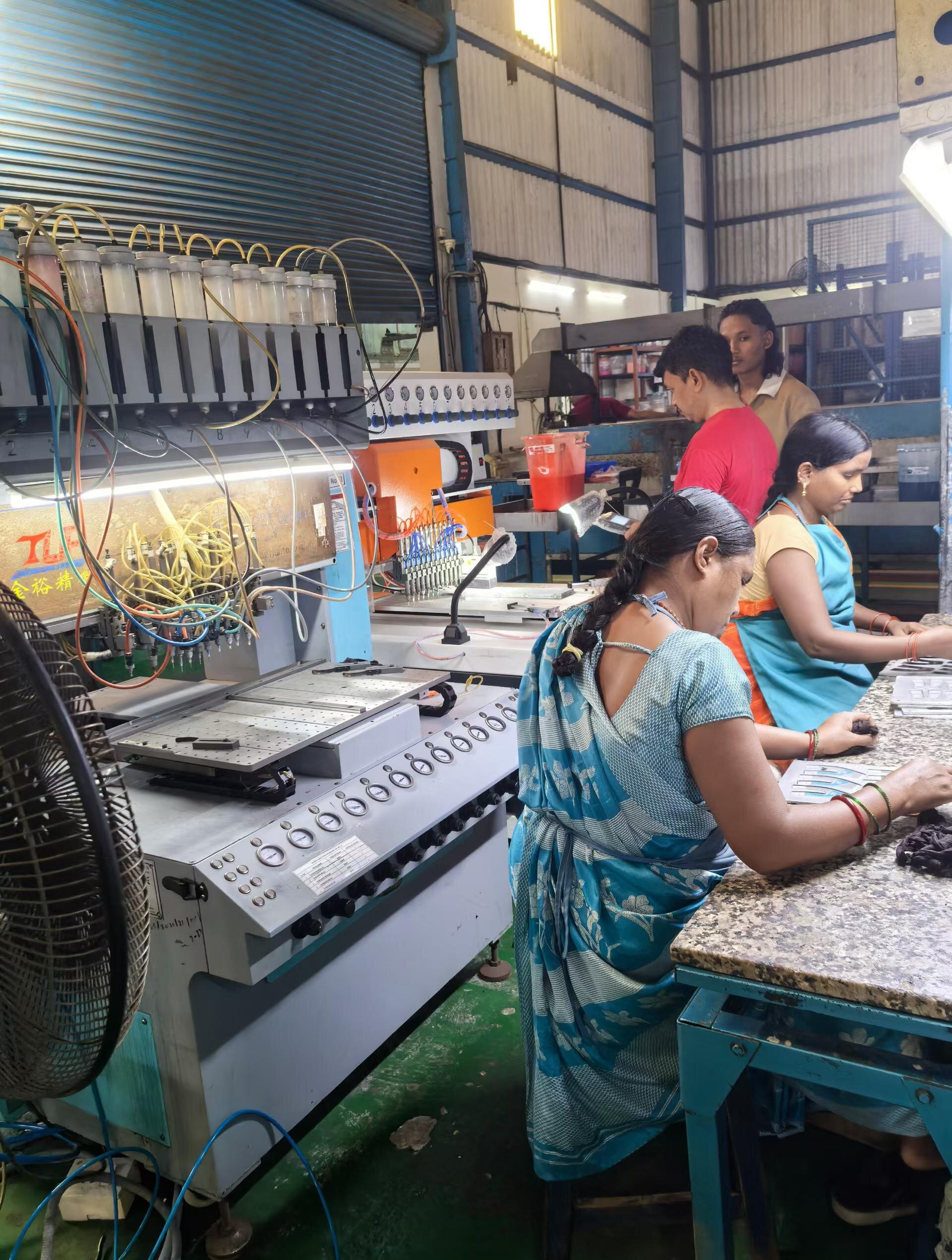
Many people mistakenly believe that overseas visits are merely business tours. But for those in the real economy, leaving the factory is never aimless wandering; it's proactively stepping out of one's comfort zone. Clinging to one's own factory and relying on past experience can easily lead to rigid thinking. It's easy to apply domestic production standards to the global market, ignoring the differentiated needs of different regional markets. Markets are constantly changing, and customer demands are continuously evolving. If one remains trapped in an information cocoon for too long, products will gradually become out of touch with the market. Truly effective outreach involves going down to the customer's production line and listening to the most basic needs of frontline workers. Operators are the best judges of equipment usability, production smoothness, and bottlenecks. By earnestly accepting these real voices and continuously iterating on products, companies can maintain their competitiveness.
There are no one-size-fits-all products in manufacturing, nor are there universally standardized solutions. The domestic market has its own characteristics, while Southeast Asia and South Asia have drastically different production environments, supply chain systems, and product requirements. To succeed in foreign trade, simply exporting equipment intended for domestic sales is insufficient; adaptation to local conditions is essential. In manufacturing, the biggest taboo is stagnation. The times are constantly changing; market structures, customer needs, and raw material conditions are constantly evolving. Stopping the exploration of the outside world will easily lead to growth bottlenecks for businesses. By proactively reaching out to customers, observing production lines, and understanding the market, companies can transform external information into motivation for product upgrades, thus ensuring their continued stability. The simplest truths are often the most profound, and adaptability is key; the core lies in maintaining fluidity and critical thinking. Don't be confined by outdated perceptions or the limitations of the factory; travel, observe, and communicate more to continuously refine automated equipment that meets market demands. Whether cultivating the domestic market or expanding overseas, only by staying close to the front lines and remaining grounded can companies achieve long-term success.


