

How Do You Prevent PVC Material from Clogging the Dispensing System?
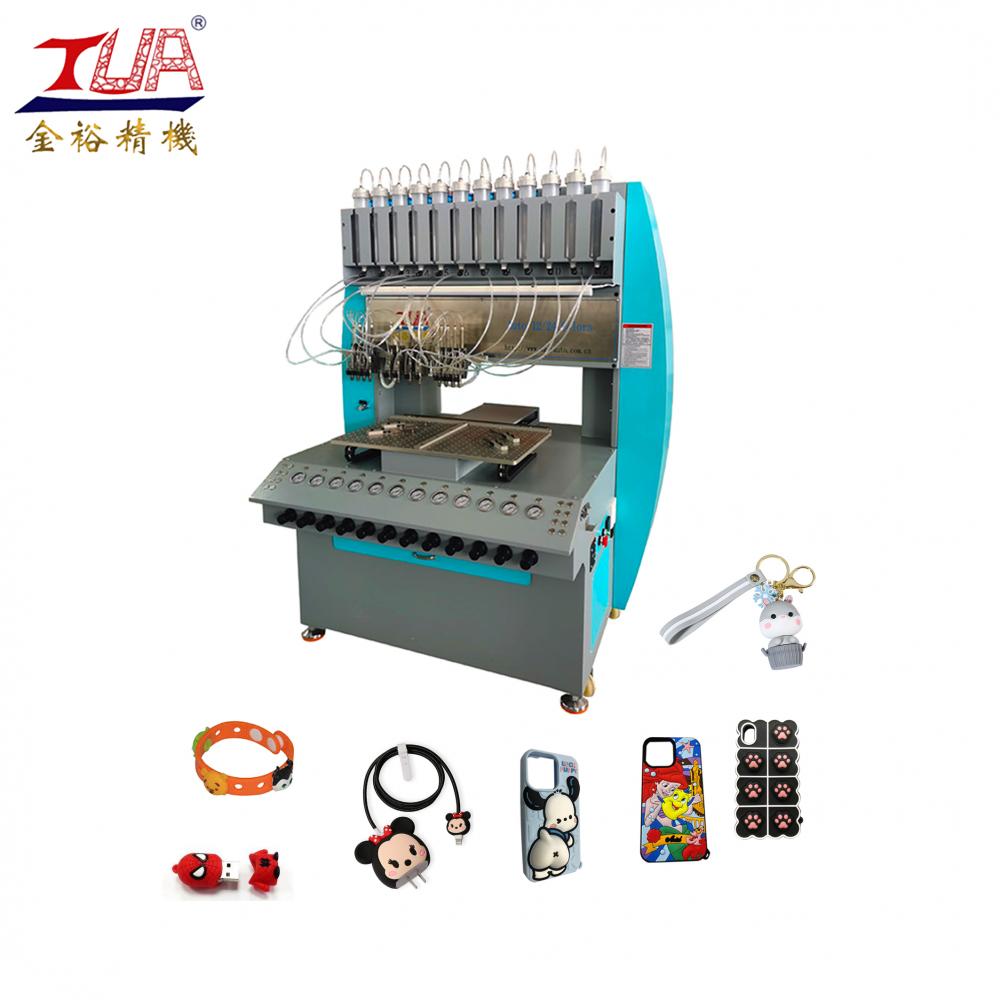
PVC dispensing is widely used in manufacturing processes that require controlled application of PVC materials, adhesives, sealants, or liquid compounds. A PVC Dispensing Machine can improve dispensing consistency, production efficiency, and material control, but clogging remains a common problem when the material, equipment, or operating conditions are not properly managed.
A clogged dispensing system can lead to inconsistent material flow, reduced dispensing accuracy, increased material waste, and unexpected production downtime. Understanding why clogging occurs and how to prevent it is therefore important for manufacturers using automated dispensing equipment.
This article explains the main causes of PVC material clogging and provides practical methods for maintaining a stable PVC Dispensing System.
Why Does PVC Material Clog a Dispensing System?
Before choosing a solution, it is important to understand what causes PVC material to accumulate or harden inside the dispensing equipment. Several factors can contribute to clogging.
1. High Material Viscosity
PVC materials can have different viscosity levels depending on their formulation, temperature, additives, and storage conditions. High-viscosity materials require greater pressure to move through pipes, valves, needles, and dispensing nozzles.
If the dispensing pressure is insufficient or the flow path is too narrow, the material may move slowly and accumulate inside the system. Over time, this buildup can restrict the material passage and eventually cause clogging.
2. Improper Temperature Control
Temperature has a direct influence on the flow characteristics of many PVC-based materials. When the material becomes too cold, its viscosity may increase, making it more difficult for the dispensing system to transport the material smoothly.
A suitable temperature range can help maintain more consistent material flow. However, excessive heating should also be avoided because some PVC formulations may be sensitive to temperature.
3. Material Contamination
Dust, particles, dried material, or foreign substances can enter the material container or dispensing line. Even small particles can become trapped in a dispensing nozzle or valve, especially when the nozzle opening is relatively small.
Keeping the material storage and dispensing environment clean is therefore an important part of preventing blockages.
4. Material Curing or Drying
Some PVC-related compounds may begin to dry, cure, or change their physical properties when exposed to air or unsuitable environmental conditions. Material left inside the dispensing nozzle or valve for an extended period can become difficult to remove.
This is particularly important when a production line stops for a long period. Proper shutdown and cleaning procedures can help reduce the possibility of hardened material blocking the dispensing path.
How Can You Prevent PVC Material from Clogging?
1. Choose the Right PVC Dispensing Equipment
The first step is selecting dispensing equipment that matches the characteristics of the PVC material. A PVC Dispensing Machine should be compatible with the material's viscosity, required dispensing volume, operating pressure, and production speed.
The pump, valve, tubing, nozzle, and other components should also be selected according to the material properties. Using an undersized flow path for a high-viscosity PVC material can increase resistance and make clogging more likely.
2. Control PVC Material Temperature
Maintaining an appropriate material temperature can help stabilize viscosity and improve flow. If the PVC material becomes too cold, it may become thicker and require higher dispensing pressure.
For automated production, temperature control can be integrated into the dispensing process where necessary. Manufacturers should always follow the recommended temperature range provided for the specific PVC formulation rather than applying excessive heat.
3. Use Suitable Nozzles and Valves
The nozzle is one of the most important components in a PVC Dispensing System. A nozzle that is too small may restrict material flow, while an unsuitable nozzle design can create excessive material accumulation.
The valve should also be compatible with the viscosity and characteristics of the PVC material. Choosing the correct valve and nozzle combination can help maintain stable dispensing and reduce blockage risks.
4. Filter the Material When Appropriate
Material filtration can help remove unwanted particles before the PVC compound reaches sensitive dispensing components. The appropriate filtration method depends on the material formulation and the dispensing process.
However, filtration should not unnecessarily restrict the material flow. The filter size and design should be selected according to the application and material characteristics.
5. Keep the Dispensing Path Clean
Regular cleaning is essential for maintaining a stable dispensing process. Material residue can gradually accumulate inside tubing, valves, and nozzles even when the system appears to be working normally.
A suitable cleaning schedule can prevent small amounts of residue from developing into larger blockages. Cleaning frequency should depend on the PVC material, production volume, operating conditions, and machine design.
6. Avoid Long Periods of Material Stagnation
When material remains stationary inside the dispensing system for too long, its physical properties may change. Depending on the formulation, it may become thicker, separate, dry, or cure.
If the production line needs to stop, operators should follow the recommended shutdown procedure for the specific material and dispensing equipment. In some applications, this may include purging or cleaning the dispensing path.
How Does Dispensing Pressure Affect PVC Clogging?
Dispensing pressure directly affects how easily PVC material moves through the system. If pressure is too low, the material may not flow consistently through the tubing, valve, and nozzle.
Increasing pressure can sometimes improve flow, but simply using higher pressure is not always the correct solution. Excessive pressure may cause splashing, inconsistent dispensing, excessive material output, or stress on system components.
A well-designed PVC Dispensing System should use pressure that matches the material viscosity, tubing configuration, nozzle size, and required dispensing volume.
How Does Maintenance Reduce Dispensing System Blockages?
Preventive maintenance is often more effective than waiting until a blockage occurs. Operators can regularly inspect the nozzle, valve, tubing, material container, filters, and other components for residue or abnormal material buildup.
Changes in dispensing pressure can also provide useful information. If the machine suddenly requires higher pressure to maintain the same output, there may be increasing resistance somewhere in the material path.
Monitoring dispensing volume and flow consistency can also help identify potential problems before they result in a complete blockage.
What Should You Check When a PVC Dispensing Machine Is Clogged?
When a PVC Dispensing Machine stops dispensing correctly, operators should check the system systematically instead of immediately increasing pressure.
- Check whether the PVC material has changed in viscosity.
- Check the material temperature.
- Inspect the dispensing nozzle for dried or accumulated material.
- Check the valve for blockage or abnormal operation.
- Inspect tubing and connectors for material buildup.
- Check whether the material container contains contaminants.
- Inspect filters if the system uses filtration.
- Review recent changes to dispensing pressure and speed.
This approach can help identify whether the problem is related to the material, operating parameters, or equipment components.
How Can Manufacturers Improve PVC Dispensing Reliability?
Reliable PVC dispensing requires coordination between material selection, machine design, operating parameters, and maintenance. A professional PVC Dispensing Machine Manufacturer can help evaluate the material characteristics and recommend suitable pumps, valves, nozzles, temperature control methods, and automation configurations.
For high-volume production, manufacturers may also consider automated monitoring systems that track dispensing pressure, temperature, flow, and other operating parameters. Early detection can reduce unexpected downtime and improve process consistency.
Conclusion
Preventing PVC material from clogging a dispensing system requires more than simply increasing dispensing pressure. Material viscosity, temperature, nozzle selection, valve design, contamination, material stagnation, and maintenance can all influence clogging performance.
By selecting suitable PVC Dispensing Equipment, maintaining appropriate material conditions, keeping the dispensing path clean, and monitoring key operating parameters, manufacturers can achieve more stable dispensing performance and reduce unnecessary production interruptions.


