

A manual Silicone Dispensing Machine is typically operated by a worker who controls the dispensing process by hand or foot pedal. It is commonly used in small-scale production or applications where flexibility is more important than speed. For example, in workshops handling custom orders or low-volume assembly, a manual system allows operators to adjust dispensing paths and quantities in real time. This makes it suitable for prototypes, repairs, or products that do not require strict uniformity. However, manual dispensing heavily depends on operator skill, which means the final result may vary from one product to another.
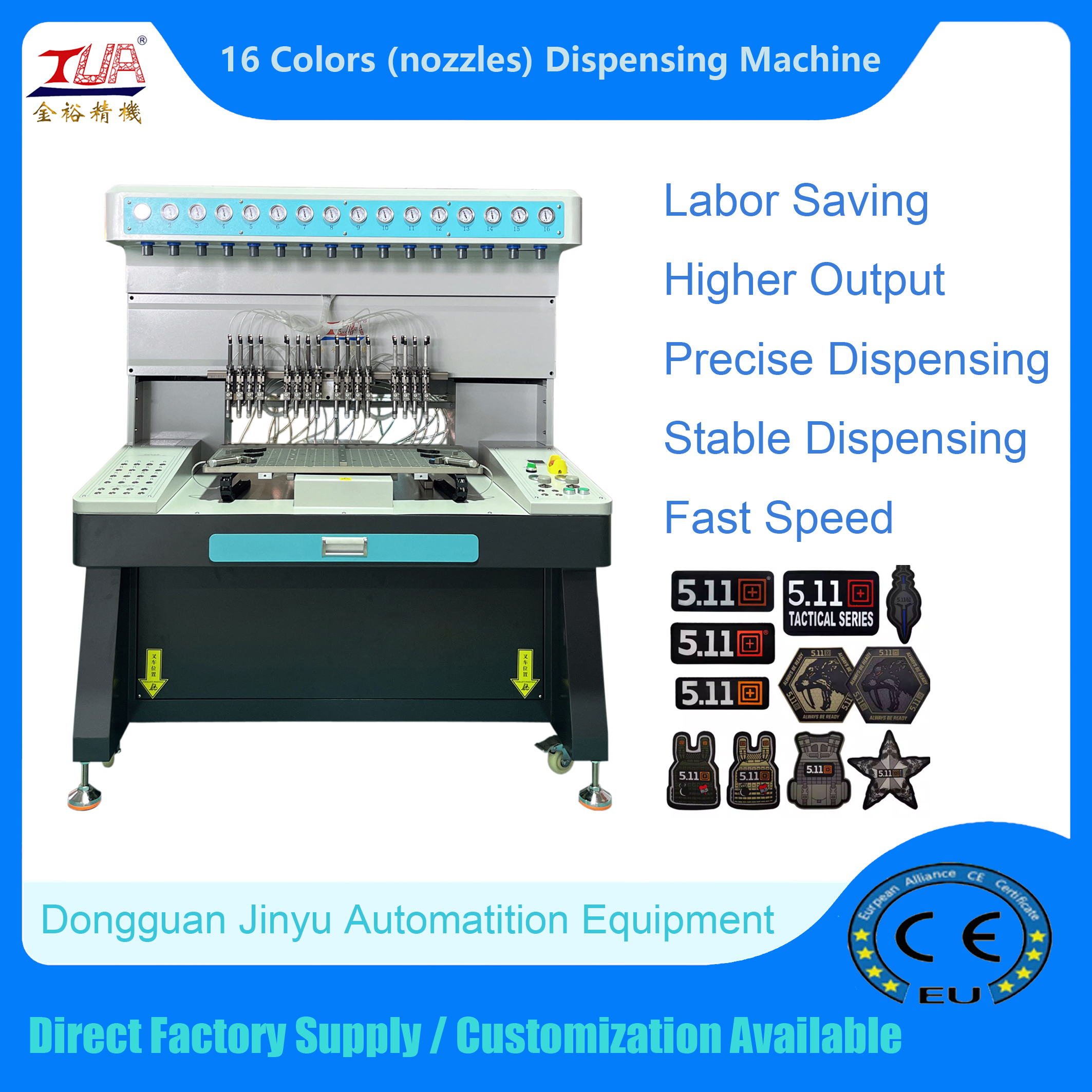
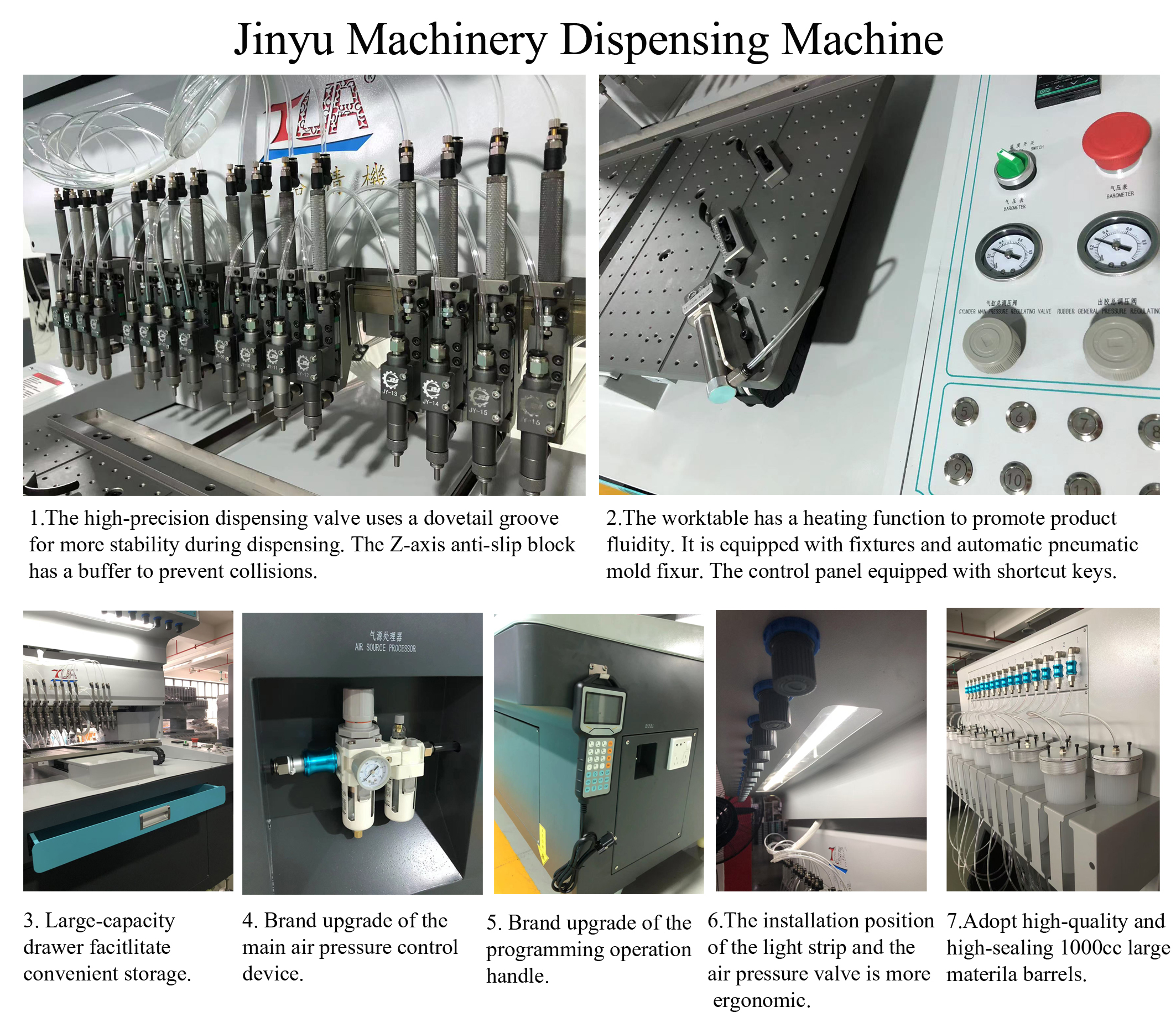
In contrast, an automatic Silicone Dispensing Machine is designed for precision and repeatability. It uses programmed control systems, often combined with CNC or robotic arms, to dispense silicone with high accuracy. Once the parameters are set, the machine can run continuously with minimal human intervention. This is especially valuable in industries such as electronics, automotive components, LED lighting, and medical devices, where consistent dispensing quality is critical.
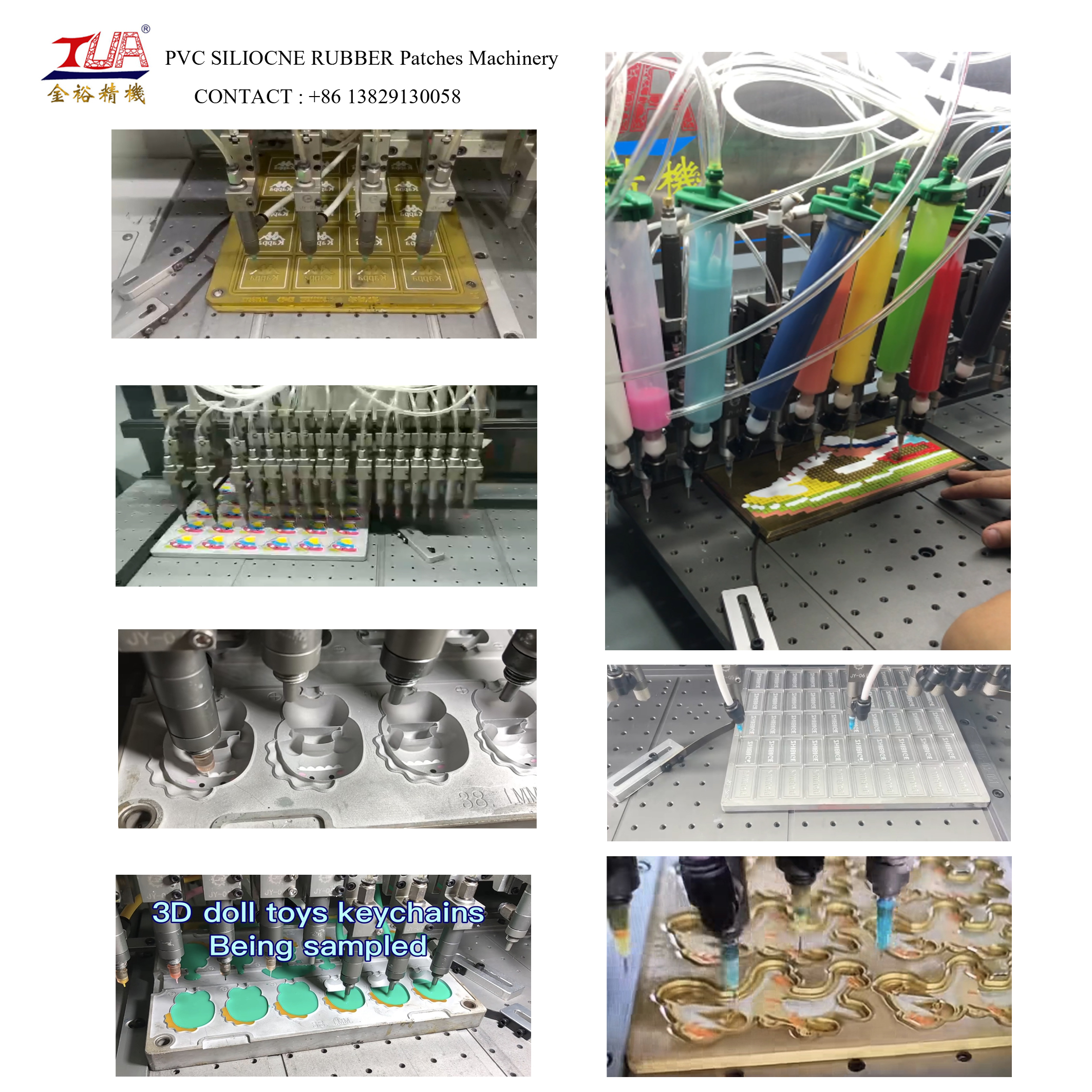
Another key difference lies in production efficiency. Manual Silicone Dispensing Machines are slower and require constant operator involvement, which limits throughput. Automatic machines, on the other hand, significantly increase production speed and reduce cycle time. For manufacturers aiming to scale operations or meet large orders, automation becomes a practical necessity rather than an option.
Cost is also an important factor. A manual Silicone Dispensing Machine usually has a lower upfront investment, making it attractive for startups or businesses with limited budgets. However, over time, labor costs and inconsistent quality may lead to higher overall expenses. An automatic Silicone Dispensing Machine requires a higher initial investment, but it reduces labor dependency and improves yield rate, which often results in better long-term cost efficiency.
From a technical perspective, automatic systems offer better control over dispensing parameters such as pressure, speed, volume, and path accuracy. This level of control ensures minimal material waste and consistent product quality. Manual systems lack this precision, which can lead to over-dispensing or uneven application, especially when dealing with high-viscosity silicone materials.
In summary, the choice between an automatic and manual Silicone Dispensing Machine depends on your production needs. If your operation focuses on flexibility, small batches, or budget constraints, a manual system may be sufficient. However, for businesses seeking higher efficiency, consistent quality, and scalable production, an automatic Silicone Dispensing Machine is the more reliable and future-proof solution.


