

In modern manufacturing, precision and efficiency are critical to maintaining competitiveness. A Silicone Dispensing Machine has become an essential piece of equipment in many industries due to its ability to deliver consistent, accurate, and controlled silicone application. From electronics assembly to automotive sealing, its advantages are increasingly recognized by manufacturers worldwide.
One of the primary benefits of using a Silicone Dispensing Machine is improved dispensing accuracy. Unlike manual application, which relies on human control, a machine ensures that the exact amount of silicone is applied every time. This level of precision is particularly important in industries where even small deviations can affect product performance, such as PCB coating, sensor sealing, or waterproof component assembly.
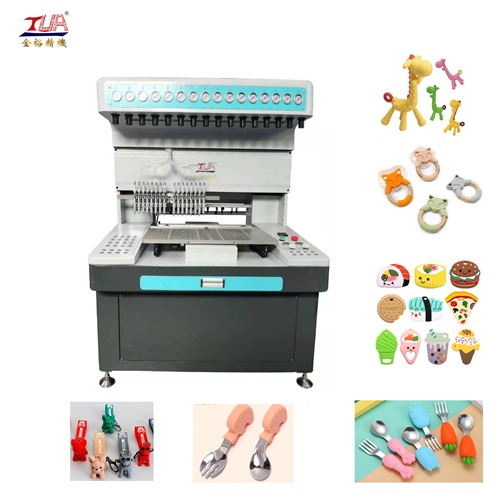
Another significant advantage is consistency. In mass production, maintaining uniform quality across thousands of units is challenging without automation. A Silicone Dispensing Machine eliminates variations caused by human factors, ensuring that each product meets the same standard. This not only improves product reliability but also reduces rejection rates and rework costs.
Efficiency is also greatly enhanced when using a Silicone Dispensing Machine. Automated systems can operate continuously and at a much higher speed compared to manual processes. This allows manufacturers to increase output without increasing labor costs. In addition, operators can focus on monitoring and quality control instead of repetitive dispensing tasks, leading to better overall workflow management.
Material savings is another key benefit. Silicone materials can be expensive, especially in high-performance applications. A well-calibrated Silicone Dispensing Machine minimizes waste by controlling the exact dispensing volume and reducing overflow or spillage. Over time, this contributes to significant cost savings and more sustainable production practices.
Flexibility is also worth mentioning. Modern Silicone Dispensing Machines can be programmed for different dispensing patterns, shapes, and product designs. This makes it easy to switch between different production requirements without major adjustments. For manufacturers handling multiple product lines, this adaptability is highly valuable.
In addition, the use of a Silicone Dispensing Machine improves workplace safety. Manual dispensing often exposes workers to repetitive strain and potential contact with chemicals. Automation reduces direct handling of materials and lowers the risk of accidents, creating a safer and more controlled working environment.
Finally, investing in a Silicone Dispensing Machine supports long-term scalability. As production demands grow, automated systems can be integrated into larger production lines or upgraded with advanced features such as vision systems and robotic arms. This ensures that the equipment remains relevant as the business expands.
Overall, the advantages of using a Silicone Dispensing Machine in production include higher precision, better consistency, improved efficiency, reduced material waste, and enhanced safety. For manufacturers looking to optimize their processes and remain competitive in a demanding market, adopting this technology is not just beneficial, but increasingly necessary.


