
With the rapid development of silicone injection molding machines, many defects are being reduced through automation and smart process control. But understanding these issues is still essential for improving product quality and reducing production costs.
Below are the most common defects currently seen in silicone injection molding, along with the latest industry improvements addressing them.
1. Flash Defect (Excess Material at Mold Edges)
Flash is one of the most frequently observed defects in silicone injection molding. It appears as thin excess material along the edges or parting line of the molded product.
This usually happens when:
- Mold clamping force is insufficient
- Injection pressure is too high
- Mold wear increases over time
In modern production lines, high-precision clamping systems and automatic mold alignment technologies are helping reduce flash significantly. However, in low-cost machines or poorly maintained molds, flash is still a common issue.
2. Air Bubbles and Internal Voids
Air bubbles inside silicone parts can seriously affect product strength and sealing performance. This is especially critical for medical and automotive applications.
Common causes include:
- Poor mold venting design
- Trapped air during fast injection
- Material contamination or moisture
In recent years, vacuum-assisted silicone injection molding systems have become more widely adopted. These systems remove trapped air before injection, greatly reducing bubble formation and improving product density.
3. Short Shots (Incomplete Filling)
A short shot occurs when the mold cavity is not completely filled with silicone material, resulting in incomplete parts.
Typical reasons include:
- Low injection pressure
- Cold mold temperature
- Poor material flowability
- Blocked runner or gate design
With the rise of intelligent injection molding machines, real-time pressure and temperature control systems are now helping stabilize the filling process and reduce short shots in high-volume production.
4. Surface Defects (Roughness, Contamination, Flow Marks)
Surface quality plays a major role in product appearance and performance. Common surface defects include rough texture, streaks, or contamination marks.
These defects are often caused by:
- Dirty mold surfaces
- Impurities in raw silicone material
- Improper curing temperature
- Poor environmental control in production area
In 2026, many manufacturers are upgrading to cleanroom production environments and using high-grade silicone materials to achieve better surface consistency.
5. Shrinkage and Dimensional Inaccuracy
Silicone materials naturally shrink during the curing process. However, uneven shrinkage can lead to warping or dimensional deviation.
Key influencing factors include:
- Uneven wall thickness
- Improper mold temperature control
- Incorrect curing time
Today, mold flow simulation software and digital mold design tools are widely used to predict shrinkage before production, helping engineers improve dimensional accuracy.
6. Curing Defects (Under-Cured or Over-Cured Parts)
Improper curing is another common issue in silicone injection molding.
- Under-cured products may remain soft or sticky
- Over-cured products may become brittle
These problems are usually caused by incorrect temperature settings or uneven heating distribution.
Modern silicone injection molding machines now use multi-zone temperature control and real-time thermal monitoring systems, which significantly improve curing consistency.
7. Weld Lines (Weak Joining Areas)
Weld lines occur when two flow fronts of silicone material meet inside the mold. These lines may affect both appearance and mechanical strength.
They are commonly caused by:
- Poor gate design
- Low injection speed
- Complex part geometry
Improved mold design software and optimized flow channel systems are helping reduce weld line visibility in modern production.
Industry Trend: Defect Reduction Through Smart Manufacturing
In 2026, the silicone injection molding industry is shifting toward smart manufacturing and automation. Instead of reacting to defects, manufacturers are now focusing on preventing them in real time.
Key advancements include:
- AI-based process monitoring
- Automatic pressure adjustment systems
- Vacuum-assisted molding technology
- Predictive maintenance for machines
These technologies are significantly improving product consistency and reducing defect rates across industries.
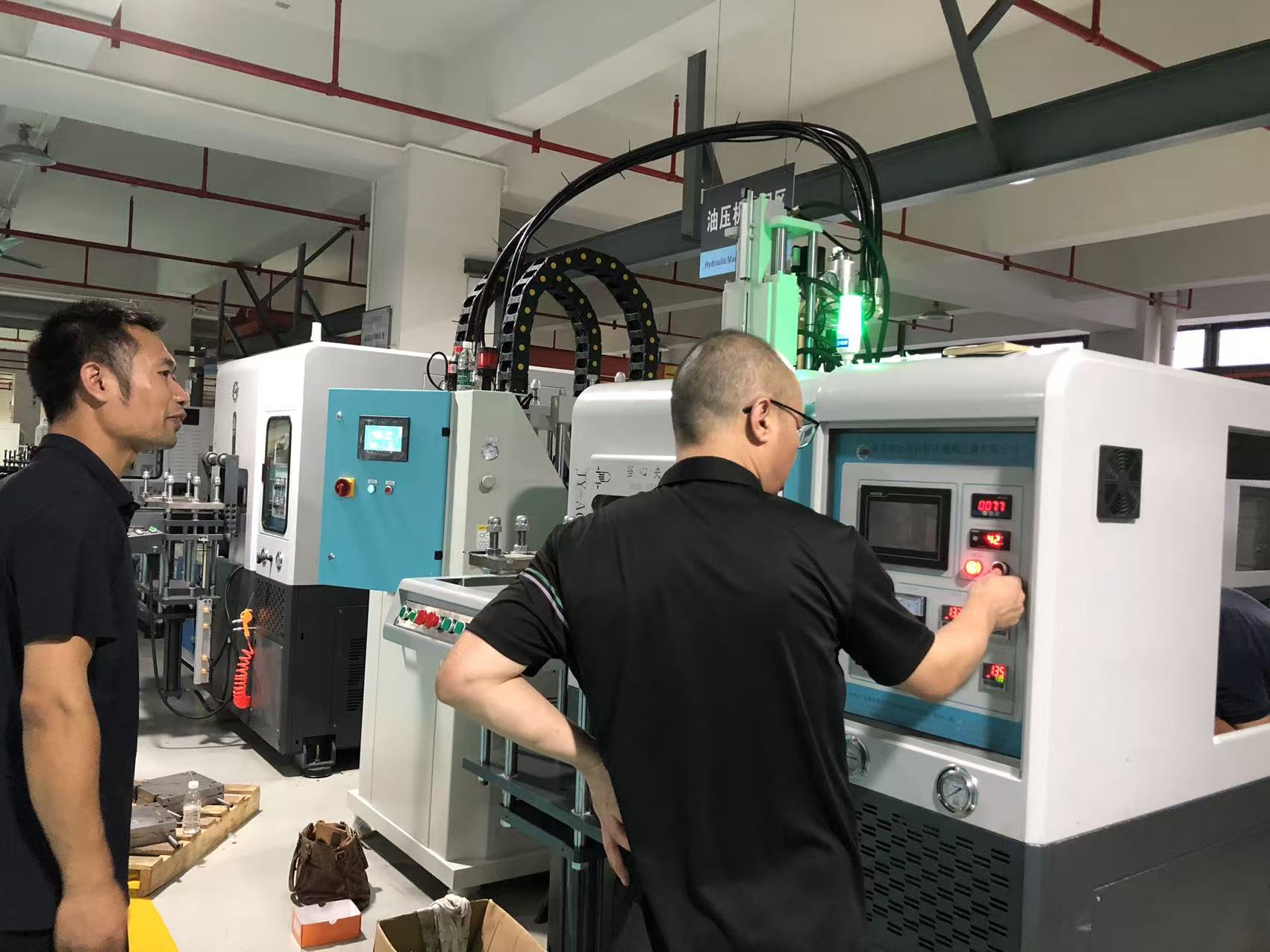
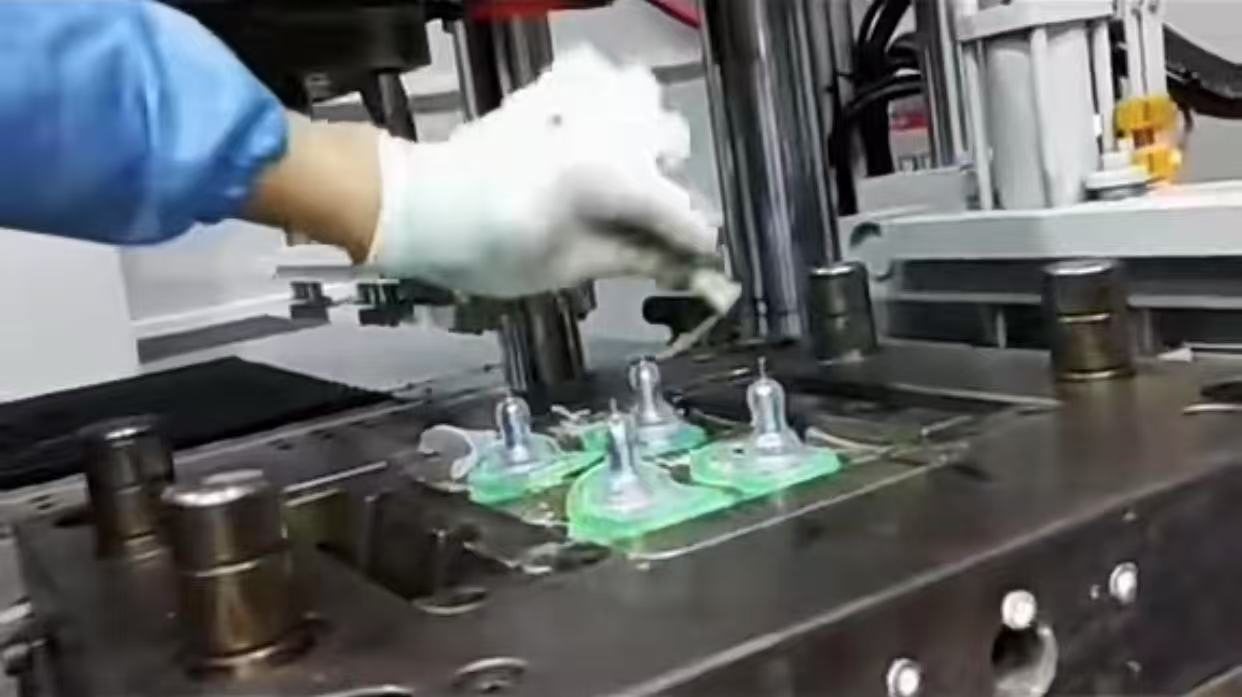
Although silicone injection molding defects such as flash, bubbles, short shots, surface issues, shrinkage, curing problems, and weld lines are still common, modern technology is rapidly reducing their occurrence.
With the integration of smart machines, vacuum systems, and digital mold design tools, manufacturers are moving toward higher precision and more stable production.
In the future, defect prevention will become more automated, making silicone injection molding more efficient, reliable, and cost-effective than ever before.


