

A Hydraulic Machine presses are primarily used for molding, shaping, pressing, and forming silicone and silicone rubber materials under controlled high pressure. They utilize a hydraulic system to generate powerful and stable pressure, enabling precise molding of rubber and plastic products even from high-hardness, high-viscosity, or thick silicone rubber blanks. In rubber and plastics industrial production, compared to manual or conventional mechanical pressing methods, hydraulic presses offer advantages such as stable pressure, high molding accuracy, product consistency, and good repeatability, making them widely used in the silicone products industry. Hydraulic presses are particularly important in modern silicone product production lines where mass production efficiency and product appearance and dimensional consistency are crucial. (Single Head Hydraulic Machine,Silicone Hydraulic Pressing Machine,Double Heads Hydraulic Machine,Silicone Rubber Hydraulic Press Machine,Silicone Hydraulic Press Machine)
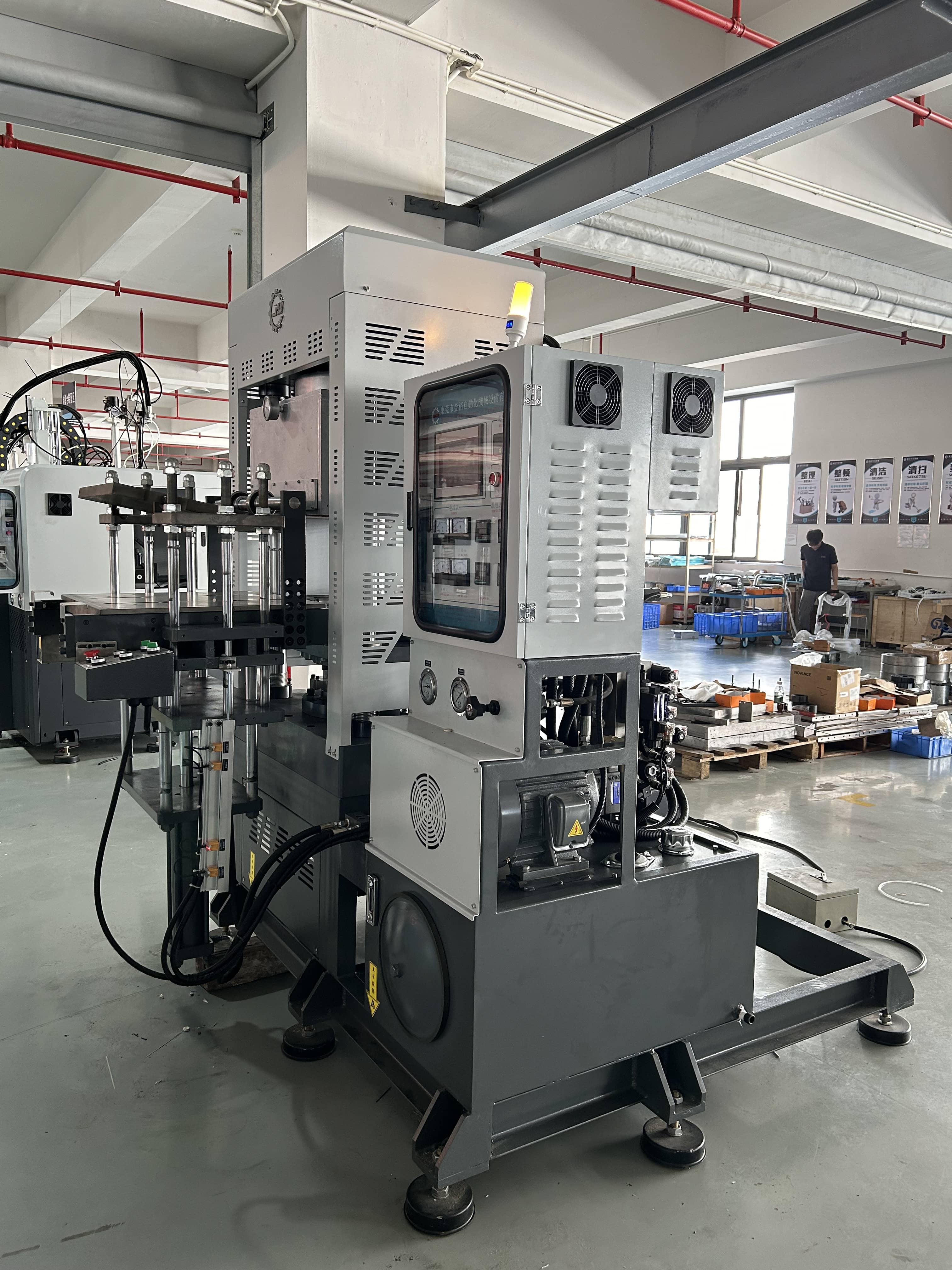
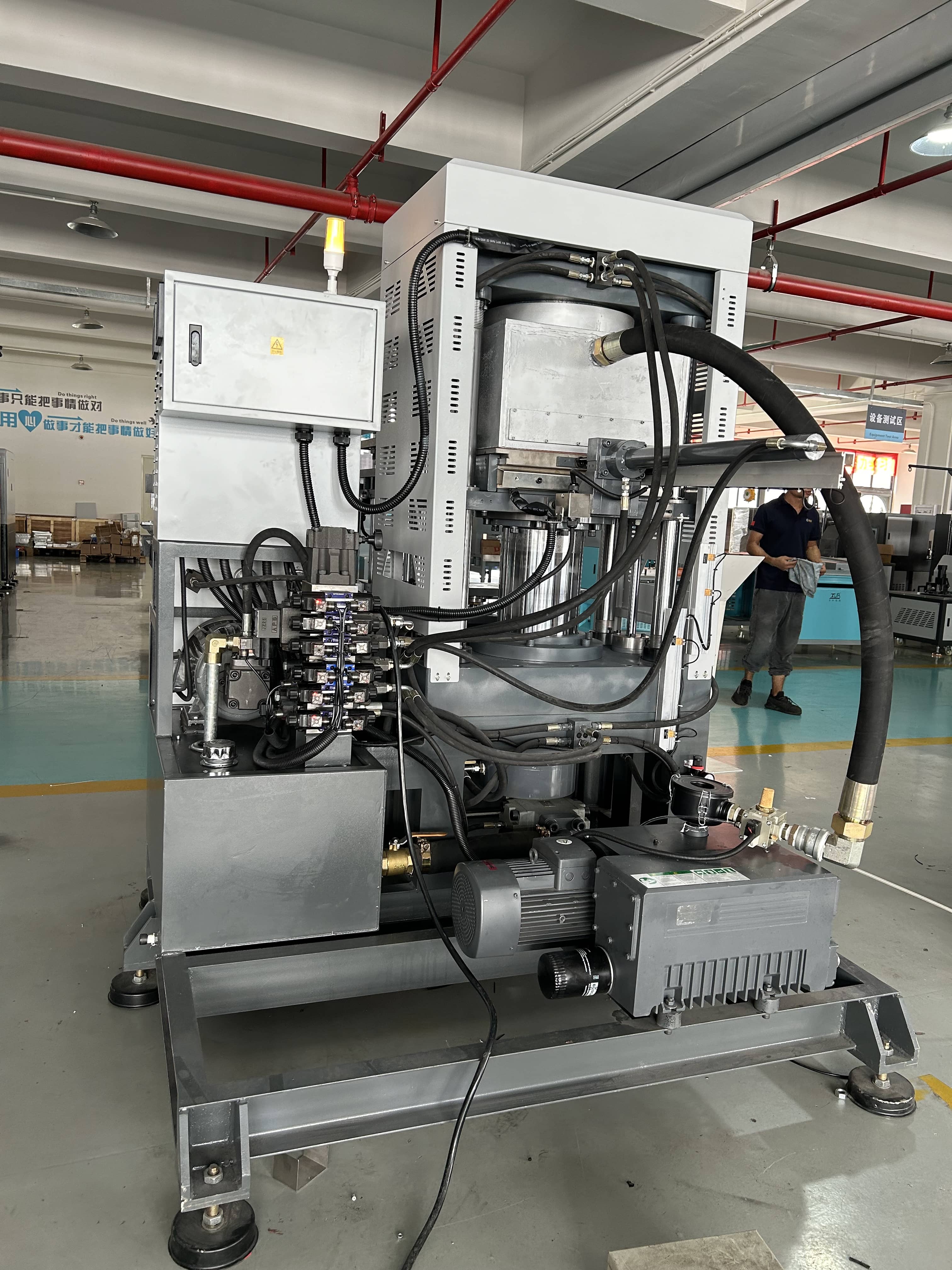
The working principle of a hydraulic press is based on Pascal's Law, which states that pressure applied to a closed fluid is transmitted uniformly in all directions. In hydraulic presses, this principle is used to amplify force. A small input force applied to the hydraulic oil in the hydraulic cylinder can generate a larger output pressing force at the press head. This is the core reason why hydraulic systems are highly favored in silicone and silicone rubber thermoforming applications. (thermopresses machines, rubber vulcanizing press machine, rubber molding vertical hydraulic press machine, Hydraulic 3D Forming Press, silicone compression machine)
The main structure of a hydraulic system includes a hydraulic pump, control valves, hydraulic cylinders, hydraulic oil, and a power unit. Each component plays a vital role in the smooth pressing operation of the equipment. The hydraulic pump generates system pressure, the control valve controls the flow of hydraulic oil, the pressing stroke, and the pressing speed, and the hydraulic cylinder converts hydraulic energy into mechanical pressing force. These components work together to form a stable hydraulic control system capable of completing various complex silicone molding and vulcanization industrial tasks. (vulcanizing equipment, rubber vulcanizer, flat vulcanizing machine, vacuum vulcanizing machine)

In the processing of silicone and silicone rubber products, hydraulic presses can be used in various processes such as rubber vulcanization, molding, punching and trimming, deep pressing of silicone, and bending and shaping of rubber materials. For example, in the manufacturing of everyday silicone products, hydraulic presses are used for high-precision molding of silicone kitchenware and silicone gaskets; in the production of electronic and electrical components, hydraulic presses can press mixed silicone rubber raw materials into irregularly shaped and complex rubber parts without defects such as material shortage, cracking, deformation, or air bubbles during the molding process. This strong process adaptability and flexibility makes hydraulic presses a core piece of equipment in the production of silicone products in the rubber and plastics industry. ( Silicone Phone Case Dispensing Machine,Rubber Mobile Phone Cover Machine,Silicone Mobile Case Maker Equipment,Silicone Case Making Equipment, Silicone Cup Coaster Making Machine,Silicone Cup Mat Maker Equipment,Plastic Coaster Dripping Machine,Silicone Coaster Molding Machine, Silicone bracelet making machine)
One of the key advantages of hydraulic equipment is its ability to provide full-power pressing at any stage of the stroke. Unlike ordinary mechanical presses with fixed force curves, hydraulic systems allow operators to precisely control the pressing pressure, mold closing speed, and holding time throughout the entire process. For the essential pressure-holding process in silicone rubber vulcanization, this characteristic significantly improves the finished product yield and reduces material waste and defective product output.
Another important advantage of industrial hydraulic presses is their exceptional adaptability to various operating conditions. Depending on the pressure capacity required for the molding process, the equipment can be custom-designed for pressing lightweight, thin silicone parts, or for vulcanizing large, heavy-duty silicone rubber parts. Industries such as new energy, automotive rubber and plastic parts, medical device parts, daily-use rubber and plastics, and industrial sealing components manufacturing all heavily rely on hydraulic presses for molding and shaping high-hardness silicone and reinforcing silicone rubber products.
Safety is also a crucial consideration in operating hydraulic presses in the silicone industry. Modern rubber and plastics-specific hydraulic presses are equipped with pressure relief valves, emergency stop functions, and intelligent automatic mold closing control systems to prevent mold overload, mold collisions, and system malfunctions. These safety features ensure long-term stable and safe operation of the equipment under high-temperature, high-pressure vulcanization conditions.
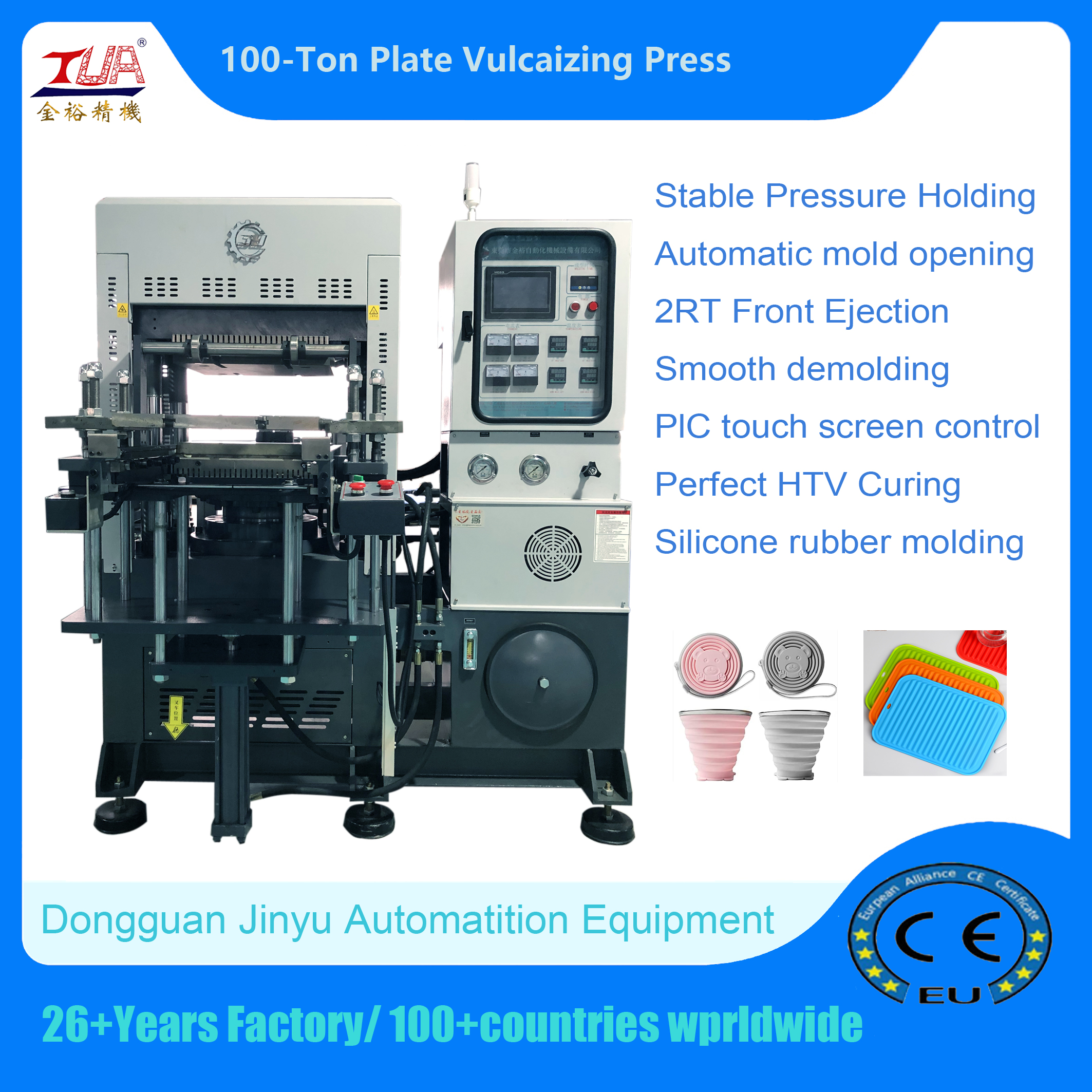
Equipment maintenance is another key factor in maintaining the efficient operation of the hydraulic system in a silicone production line. Regularly inspecting the hydraulic oil, cylinder seals, and hydraulic control valves effectively prevents oil leaks and system pressure drop. Maintaining hydraulic oil cleanliness is particularly important, as contamination with oil impurities reduces the pressing precision of the equipment, affecting the molding effect of silicone products and causing wear on internal precision components.
Ordinary mechanical pressing equipment relies on fixed mechanical strokes, while hydraulic presses can continuously and steplessly adjust the pressing force, pressing speed, and holding time. Compared to traditional mechanical molding equipment, rubber and plastics-specific hydraulic presses offer greater flexibility and superior dimensional accuracy. This characteristic makes them ideal processing equipment for the vulcanization molding of complex, irregularly shaped silicone parts and high-precision sealing silicone rubber products.
In short, hydraulic presses play a crucial role in modern silicone and silicone rubber product processing. Through stable and controllable hydraulic power output, the equipment can provide precisely adjustable pressing force, efficiently and accurately completing the vulcanization and shaping of silicone rubber raw materials. Whether in the production of everyday silicone products, medical rubber parts, automotive seals, or heavy industrial specialty silicone rubber products, hydraulic presses remain one of the indispensable and most important core molding hydraulic equipment in the rubber and plastics manufacturing industry.


