

A Silicone Dispensing Machine is widely used in automated manufacturing for precise application of silicone adhesives and sealants. Industries such as electronics, automotive, medical devices, renewable energy, and consumer products depend on stable dispensing performance to ensure product reliability. Understanding the factors that influence machine performance allows manufacturers to optimize production and minimize defects.
Silicone material properties are among the most important considerations. Different silicone formulations vary in viscosity, curing speed, and flow behavior. Highly viscous materials require stronger dispensing pressure and specialized valves, while low-viscosity materials demand precise flow control to avoid over-dispensing. Selecting the correct settings based on material characteristics is essential for stable operation.
Dispensing pressure directly affects material output. If pressure fluctuates during production, dispensing volume and bead consistency may become unstable. Modern Silicone Dispensing Equipment often includes closed-loop pressure control systems that continuously monitor and adjust dispensing pressure to maintain consistent output.
Machine precision also has a significant impact. The positioning accuracy of motors, linear guides, and control systems determines how accurately silicone is deposited. A high-quality Silicone Dispensing Robot offers excellent repeatability, making it suitable for products requiring complex dispensing paths or tight dimensional tolerances.
Programming quality should not be underestimated. Motion speed, acceleration, dispensing delay, and stop timing all influence the final dispensing result. Poor programming can cause excessive material at corners or gaps along dispensing paths. Optimized motion control software helps produce smooth and uniform dispensing lines.
The dispensing nozzle is another critical component. Its diameter, material, and design affect flow characteristics and dispensing stability. Nozzles should be selected according to silicone viscosity and application requirements. Regular cleaning prevents cured silicone from restricting material flow.
Environmental conditions also influence machine performance. Temperature changes alter silicone viscosity, while excessive humidity may affect curing behavior for certain silicone formulations. Maintaining a stable production environment enables the Silicone Dispensing System to perform more consistently throughout the manufacturing process.
Equipment maintenance plays a major role in long-term performance. Pumps, valves, seals, filters, and hoses gradually wear during continuous operation. Scheduled preventive maintenance reduces unexpected failures and helps maintain dispensing accuracy. Replacing worn components before failure minimizes production interruptions.
Software and control systems contribute significantly to modern dispensing performance. Many advanced Silicone Dispensing Equipment platforms support automatic parameter adjustment, production data monitoring, and remote diagnostics. These intelligent functions improve process control while simplifying maintenance.
Production speed must also be balanced with accuracy. Operating the Silicone Dispensing Machine at excessive speeds may reduce dispensing stability, particularly when processing highly viscous silicone. Optimizing cycle time while maintaining precision often delivers better overall productivity than simply increasing machine speed.
Operator expertise remains important even in automated production. Skilled technicians understand how to adjust machine parameters based on changing production conditions and silicone characteristics. Proper training helps prevent common operational mistakes while maximizing equipment utilization.
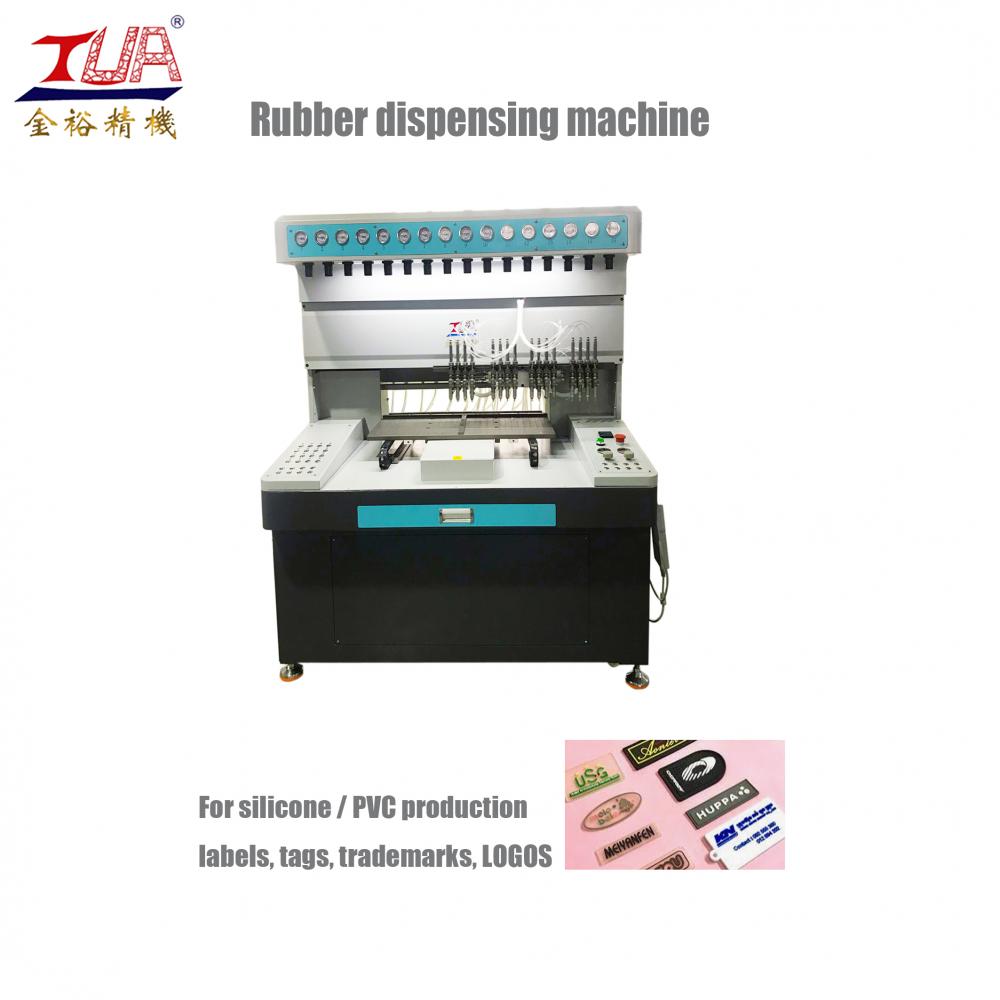
Finally, selecting high-quality equipment has a lasting impact on production performance. A reliable Silicone Dispensing System designed for industrial automation typically offers better durability, higher repeatability, and easier maintenance than lower-quality alternatives. Investing in dependable equipment reduces long-term operating costs and improves manufacturing efficiency.
The performance of a Silicone Dispensing Machine depends on the interaction of materials, equipment, software, maintenance, and operating conditions. By optimizing each of these factors, manufacturers can achieve stable dispensing quality, improve production efficiency, reduce material waste, and maintain consistent product performance across a wide range of industrial applications.


